







Search Results for: chilled coffee cup

Is a chilled glass necessary for a Dirty coffee? Testing the layering effect and key preparation points at three glass temperatures
Dirty coffee has become a staple in specialty cafes thanks to its high aesthetic appeal and unique taste, yet there has always been debate over whether an ice-cold cup is essential during preparation. Through side-by-side testing of glass cups at room temperature, refrigerated, and frozen, Front Street found that milk quality is the key to layering, while cup temperature mainly affects the chilled mouthfeel and the preservation of crema. The article also traces the practice of Dirty's originator, Katsuyuki Tanaka, who did not pre-chill his cup. If you're after photogenic presentation and a layered experience, Front Street recommends chilling the cup together with the milk and paying attention to the optimal tasting window. [more…]
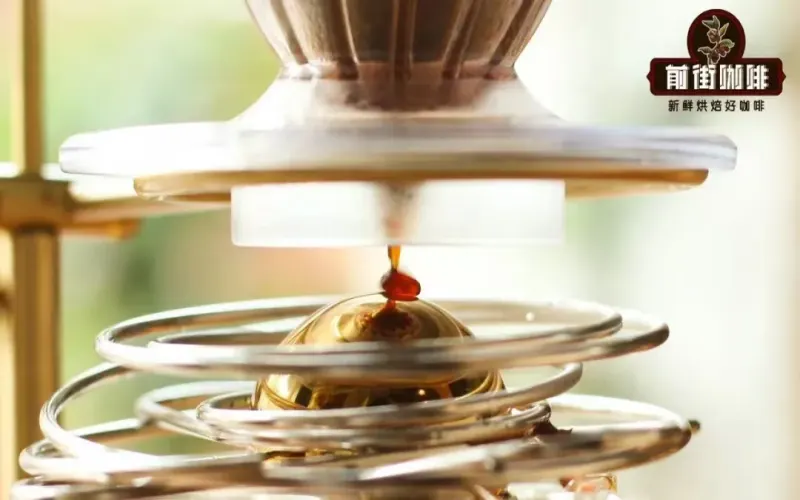
How do you use the Paragon小金球 for pour-over coffee? An analysis of the actual effects and key operating points of the rapid-cooling aroma-locking method.
In the past two years, a coffee processing method called "rapid chilling to lock in aroma" has become popular in competitions and among enthusiasts, shared and promoted by Sasa Sestic, with the core tool being the Paragon chiller ball. It works by rapidly lowering the temperature of the coffee liquid to slow down aroma volatilization, theoretically preserving more flavor. But how effective is it really? Why do most competitors only rapid-chill the first portion of the coffee liquid? Front Street conducted a comparative test using a pour-over of Huakui and a Strawberry Candy espresso, and found that the aroma difference in the pour-over group was not obvious, while the espresso group showed mouthfeel differences due to temperature changes. This article will break down in detail the principle of rapid chilling to lock in aroma, the results of the comparative experiment, and the two major reasons for only chilling the first half, helping coffee enthusiasts view this technique rationally. [more…]

Revisiting the Necessity of Preheating Coffee Cups: Flavor Performance of Espresso and Pour-Over Coffee Made with Chilled Cups
Conventional wisdom holds that preheating a coffee cup slows the rate at which coffee cools, helping maintain an ideal drinking temperature. However, as understanding of the relationship between temperature and flavor perception deepens, more and more coffee professionals have begun serving coffee in room-temperature or even chilled vessels—especially in summer, since this not only prevents burning the mouth but also allows the layers of flavor to be captured more clearly. It was on this basis that Sasa Sestic, founder of the Origin Project, developed the Paragon ice ball, which locks in aroma through instant cooling. So, if the cup receiving the coffee is chilled, could a similar effect be achieved? Front Street Coffee put this to the test, using chilled vessels to make espresso and pour-over coffee respectively, exploring the actual impact of low-temperature vessels on flavor presentation. [more…]
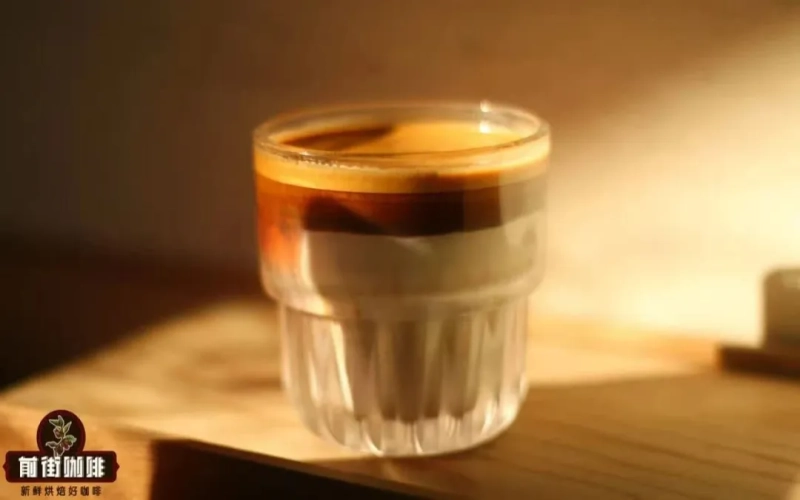
Is it better to chill or freeze a Dirty coffee glass? The mystery of the -86°C Dirty and a real-world comparison test
Dirty has always been a popular product in coffee shops thanks to its high aesthetic appeal and the unique experience of hot and cold colliding. When making a Dirty, using a chilled glass can extend the layering effect between the espresso and the milk, but should you use a refrigerated glass or a frozen glass? Through comparative experiments, Front Street Coffee found that although a frozen glass can widen the initial temperature difference, it also accelerates the dissipation of the layers, and the milk's mouthfeel and aroma are slightly compromised. The rise in popularity of -86°C Dirty has brought frozen glasses into the spotlight once again. This article explains in detail the differences between refrigerated and frozen chilled glasses, the points to note when making a Dirty with a frozen glass, and why purified milk is the best partner for a frozen glass, helping you fully understand the intricacies behind this dirty coffee. [more…]
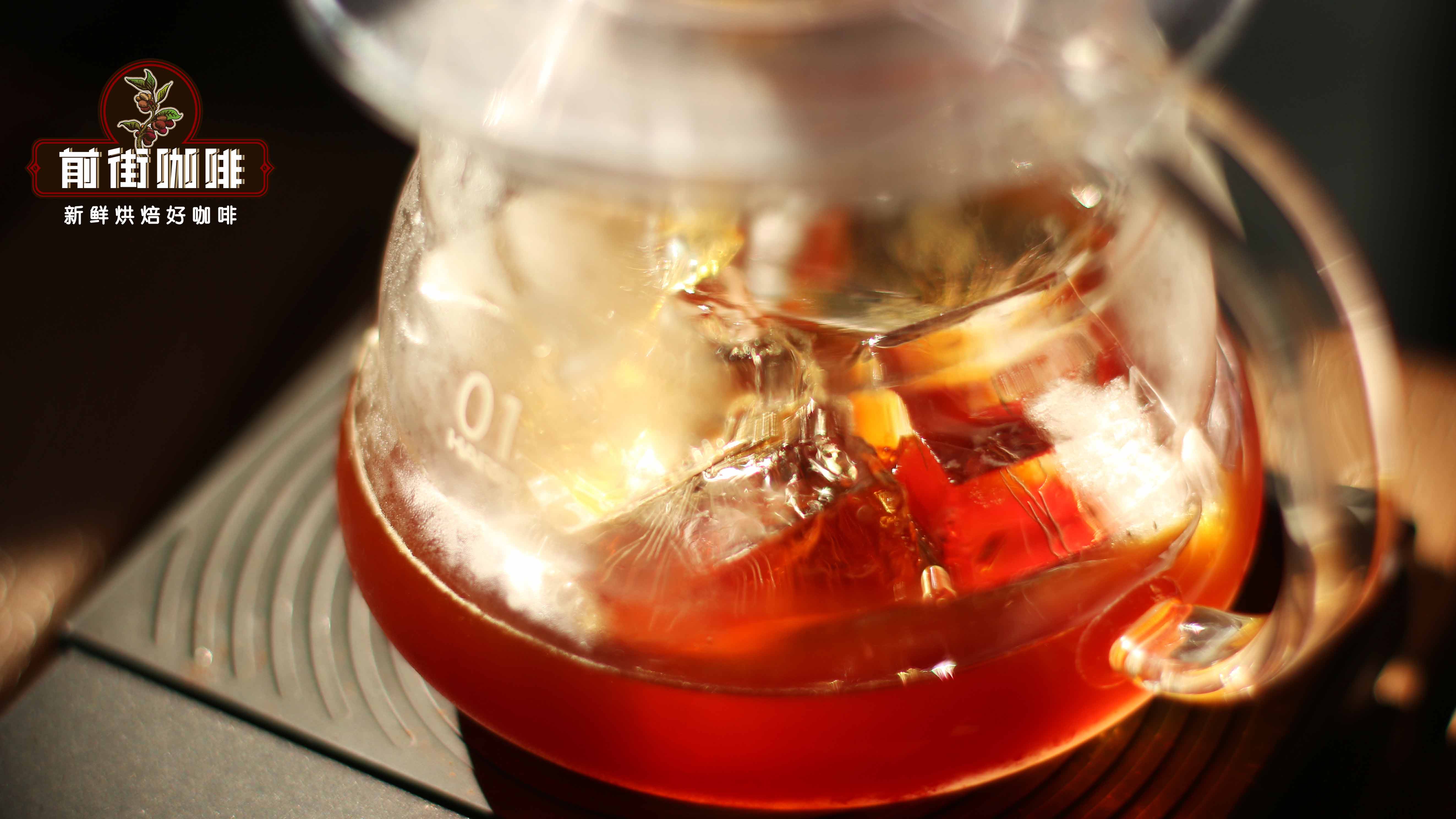
A Complete Guide to Making Iced Pour-Over Coffee: Ratios, Parameters, and Brewing Steps for Rapid-Chill Extraction
Iced pour-over coffee is not simply pouring hot coffee over ice cubes, but a brewing method known as "flash-chilled pour-over"—using ice to rapidly cool the hot coffee liquid in a short time. However, if you directly use the parameters of a regular hot pour-over, the final product often becomes weak and tasteless. To solve this problem, you need to adjust three core parameters: coffee-to-water ratio, grind size, and water temperature. Front Street has summarized a practical formula: coffee grounds (fine grind) + 10 times hot water + 5 times ice. This article will break down the adjustment logic of iced pour-over in detail, offer suggestions on choosing a dripper and coffee beans, and use an Ethiopian natural bean as an example to provide complete brewing parameters and staged pouring steps. [more…]

Complete Guide to Ice Amounts for Iced Coffee: Ice Ratios and Tips for Espresso, Pour-Over, and Cold Brew
As temperatures climb, iced coffee becomes a daily choice for many, but the key to a delicious cup of iced coffee lies in precisely controlling the amount of ice used. Ice in coffee not only handles the cooling task, but also locks in aroma and slows the rise in temperature, making the refreshing taste last longer. However, different extraction methods and coffee beans of different roast levels have vastly different ice needs. This article starts from the role and quality requirements of ice, combines the specific scenarios of espresso, pour-over coffee, and cold brew ice drip, and analyzes in detail the logic for adjusting ice ratios. Using beans such as Front Street Classic Blend, Grana Geisha SOE, and Fruit Ding Ding as examples, it provides actionable home ice solutions to help you easily make a cup of iced coffee with just the right strength, flavor, and chill. [more…]
Complete Guide to Ice Coffee Ice Cube Ratios: Ice Techniques for Americano, Latte, Pour-Over, Cold Brew, and Ice Drip
Every spring and summer, iced coffee becomes many people's go-to daily choice, and "exactly how much ice to add" is always the trickiest part of home brewing. Ice in coffee isn't just a cooling tool—it also affects aroma retention and how long the chill lasts. This article covers three main categories—espresso, pour-over, and cold brew and ice drip—and, combined with the characteristics of coffee beans at different roast levels, provides specific ice ratios and practical tips. It also explains how the texture, size, and freezing method of ice affect the final taste, helping you make a cup of iced coffee at home with just the right strength, flavor, and chill. [more…]
A Morning Cup of Black Coffee: A Detailed Guide to Varieties and Flavors, Plus the Advantages of Low Sugar and Low Calories
In the early morning, a can of black coffee is enough to awaken the sleeping senses. Black coffee adds no embellishment whatsoever, fully releasing the raw, rugged character of the coffee beans, with bitterness, acidity, aroma, and body interweaving into a distinct flavor profile. However, this taste of bitterness, acidity, and astringency coexisting is not something everyone can easily accept. Black coffee products on the market vary widely in style: some lean bitter, some are mildly bitter and acidic, some have pronounced acidity and bitterness, and there are also charcoal-roasted, blended, and various flavored coffees, each with different levels of sweetness and creaminess. This article sorts through these common categories and the taste characteristics of representative products one by one, while also explaining the natural advantages of black coffee—low sugar and low calories—to help coffee lovers find the one that suits them among the many choices. [more…]
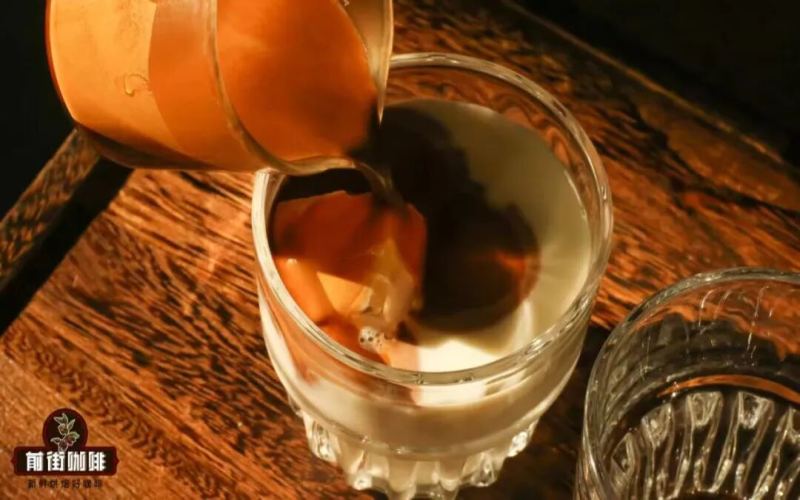
Espresso Milk Coffee | What Is a Dirty Coffee and How Does It Differ from an Iced Latte? What Are the Differences in How You Drink a Dirty and an Iced Latte?
Since the ingredients used to make a Dirty and an iced latte are exactly the same—both are iced milk plus espresso—and they look much the same, both featuring a layered structure created by the milk and the espresso, Front Street Coffee often gets asked by customers drinking iced lattes: "Both are iced milk plus espresso, so what's the difference between a Dirty and [more…]

Why Is Iced Australian White So Hard to Find? Analyzing the Taste Dilemma and Strength Trade-Offs of a Chilled Flat White
As a classic among espresso milk coffees, the Flat White is known for its light, silky microfoam and its full-bodied mouthfeel that sits level with the rim of the cup. Yet many coffee lovers have noticed that iced Flat Whites are extremely rare on the market. This is no coincidence—the traditional Flat White was designed from the outset to deliver a rich, full-bodied hot drink experience. Once ice is added, not only do the aroma and body suffer greatly, but concentration must also be sacrificed to cool it down, and even the signature light microfoam disappears entirely. Starting from the origins of the Flat White, a comparison with the cappuccino, and the meaning of "Flat White," this article will take a deep dive into why the iced Flat White struggles to gain a foothold, and how it differs fundamentally from the iced latte. [more…]
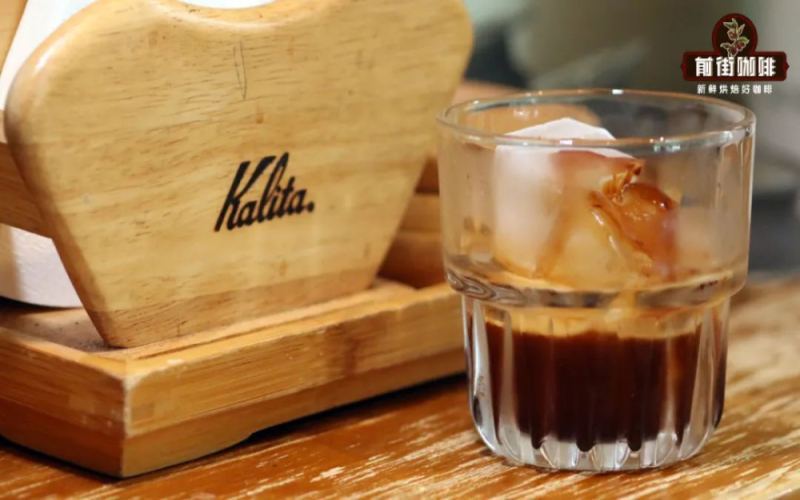
Is an All-Ice Americano Actually Good? The Making Method and Flavor Analysis of a Water-Free Ice Americano
Americano is usually made by diluting espresso with water, but there is a special approach—adding not a single drop of water, and instead using only ice cubes to replace the water portion. This is what is known as an "all-ice Americano." A barista at Front Street Coffee once encountered a customer who specifically asked for an "iced Americano, no water." What exactly makes this way of drinking coffee so special? This article will walk you through how an all-ice Americano is made, the WBC competition concept it draws on—Extract Chilling—and how it actually differs from a regular iced Americano in terms of concentration, bitterness, and aroma layering, helping you decide whether this water-free iced Americano is worth trying. [more…]
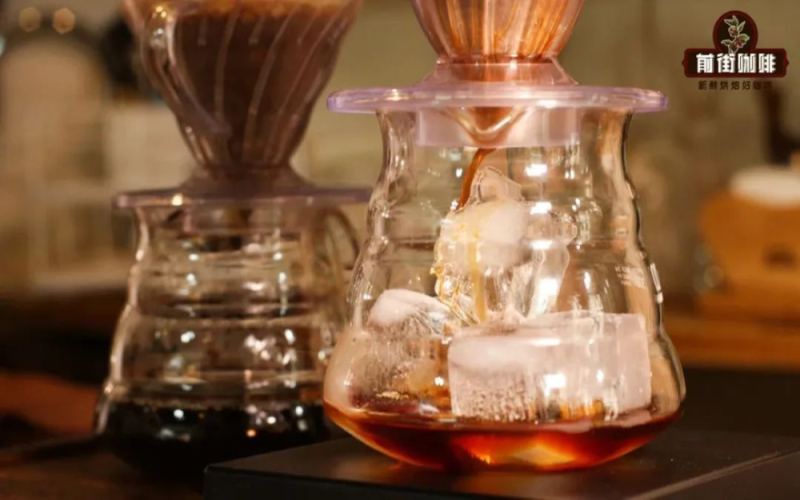
A Detailed Guide to Four Iced Pour-Over Coffee Brewing Methods: From High-Strength High-Extraction to Ice-Chilling Cooling
As temperatures rise, iced coffee returns to the top of the sales charts. Iced pour-over lets you freely choose your favorite beans while offering the sweet, refreshing taste of a chilled brew—making it an excellent way to beat the heat. But the key to making a delicious iced pour-over lies in solving the problem of dilution after cooling. Front Street Coffee has put together four zero-threshold iced pour-over brewing approaches—high-concentration high-extraction, ice rinsing, the stirring method, and ice-bath cooling—each with detailed parameters and step-by-step instructions, demonstrated using a light-to-medium roast Ethiopian Kafa Forest as an example. No matter what equipment you have on hand or what size your ice cubes are, you'll find a method that suits you. [more…]
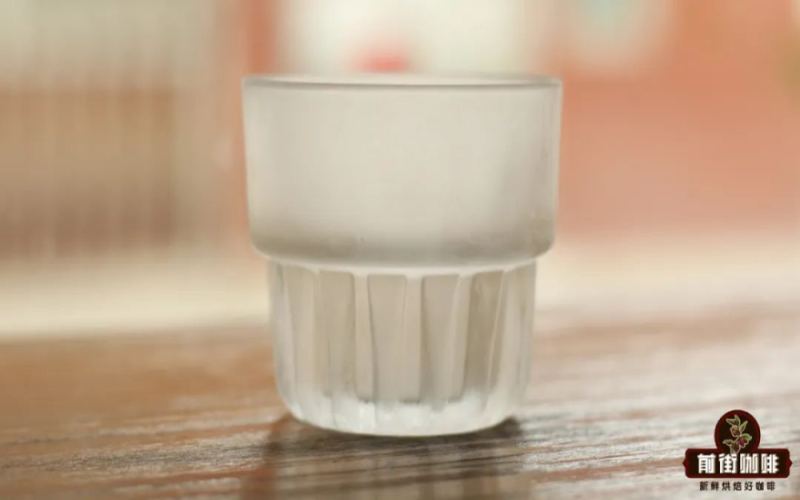
Why Is the Ice Cup the Soul of Dirty Coffee? A Complete Guide from Meaning to Making Steps
Dirty coffee has rapidly gained popularity in the specialty coffee scene in recent years. Its visually striking contrast of hot and cold and its layered mouthfeel have captivated many enthusiasts. However, many people often overlook a key detail when trying it at home—the cup must be chilled in advance. Why is a chilled cup so important for Dirty? What exactly does Dirty refer to? And how do you properly make a qualified cup of Dirty? Starting from the practices at Front Street Coffee, this article will break down the origin of the name Dirty, its core principles, and key operational points one by one, helping you understand the logic behind the chilled cup and master practical methods for recreating it at home. [more…]
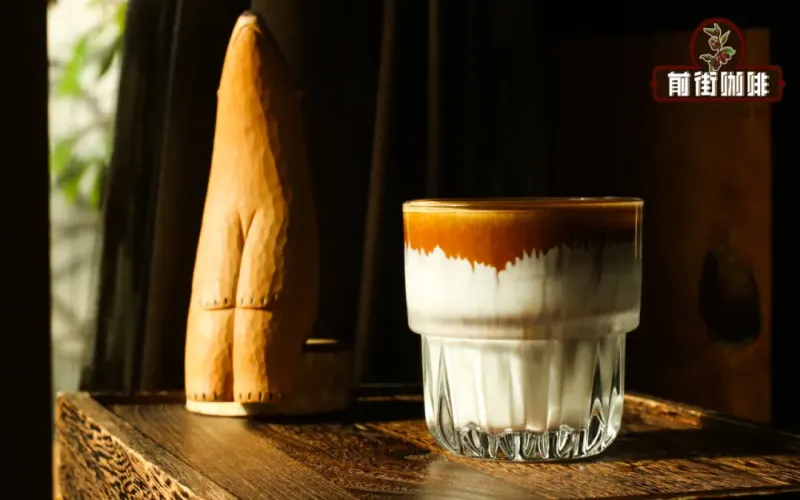
Why Dirty Coffee Went Viral: Differences Between a Dirty and an Iced Latte, and How to Make One at Home
Dirty coffee has continued to rise in popularity in the coffee world in recent years thanks to its distinctive layered visual effect and rich flavor. Its preparation method is actually not complicated: pour chilled milk into an iced cup, then gently pour in espresso, using differences in density and temperature to form natural layers. So why has this drink maintained such high popularity? How exactly is it different from iced latte? And what does the word Dirty mean? This article will take you through the origins of dirty coffee and "dirty culture," clarify the core differences between Dirty and iced latte in ingredients, ratios, and taste, and share the key preparation points recommended by Front Street Coffee, so you can easily recreate a cup of clearly layered dirty coffee at home. [more…]
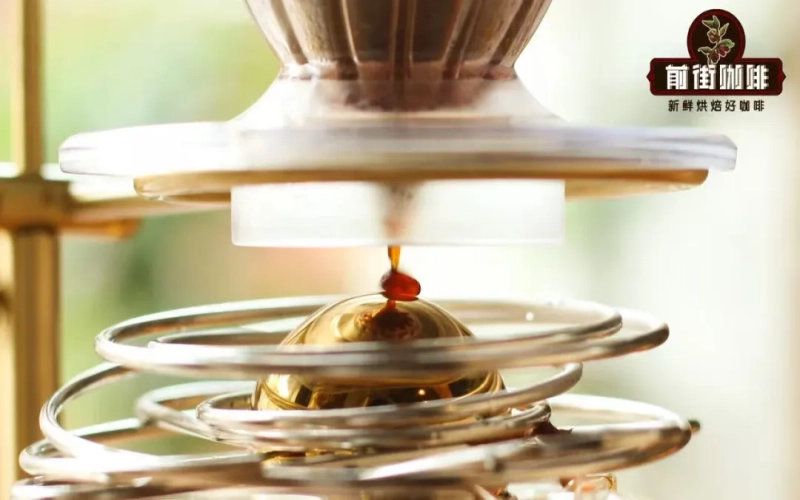
How Does Cup Temperature Affect Coffee Flavor? A Comparative Experiment on Preheating vs. Chilling a Pour-Over Coffee Cup
Coffee aroma is volatile, and the higher the temperature, the faster it dissipates, so some have proposed using low-temperature containers to lock in the aroma. Front Street Coffee compared three types of pour-over coffee vessels—a high-temperature cup, a room-temperature cup, and a frozen cup—to test whether cup temperature truly affects coffee aroma and flavor performance. The experiment used Kenya Asaliya coffee beans with uniform brewing parameters, and the results showed that cup temperature mainly changes the temperature of the coffee when it enters the mouth, rather than the amount of aroma, but temperature differences do indeed cause noticeable changes in flavor perception. This article will present the experimental process and conclusions in detail, and offer cup selection suggestions for different weather conditions. [more…]
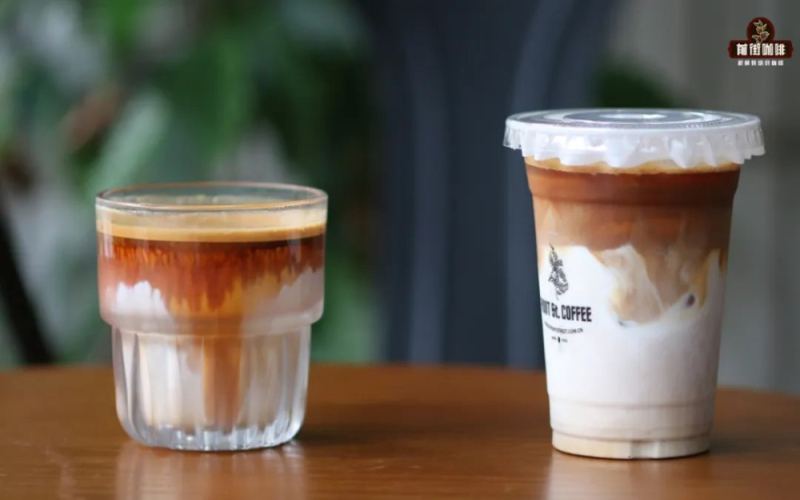
How Is a Dirty Coffee Different from an Iced Latte? A Comprehensive Analysis of the Differences Between the Two in Ratios, Methods, and Drinking Styles
Dirty coffee and iced latte look quite similar in appearance, both presenting a layered effect of espresso over milk, but they are actually different drinks. This article starts with production details such as cup size ratio, whether ice is added, cup treatment, and layering requirements, systematically sorting out the differences between Dirty and iced latte, and explaining in detail the correct way to drink each. The article also combines the flavor characteristics of coffee beans such as Front Street classic blend, specialty blend, and dark cocoa base blend to explain how to choose beans to achieve the ideal layering effect and taste experience. [more…]
How to Steam Milk Foam for Latte Art That Lasts Longer? A Full Guide to Choosing the Right Milk Brand and Steaming Techniques
Many people find that their milk foam never turns out well when learning latte art. In fact, the quality of the milk and the way it is steamed both directly affect the fineness and staying power of the foam. This article starts with the types of milk, analyzing the differences between shelf-stable milk and chilled milk, and between whole milk and skim milk. It then uses Front Street Coffee's recommended Vitasoy whole milk fresh milk to explain in detail the temperature control, technique, and the ratio of milk to foam when steaming milk with a steam wand. It also shares methods such as tapping out bubbles and controlling the heating temperature to make the foam more stable and long-lasting, helping coffee lovers achieve better results when pouring latte art and making lattes and cappuccinos. [more…]
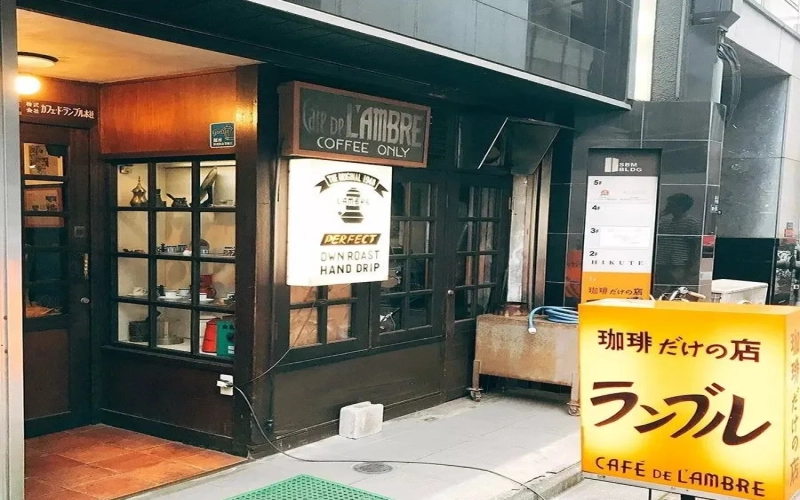
Amber Queen Coffee Recipe Tutorial: How to Recreate the Classic Layered Drink from Amber Café in Ginza, Tokyo
In Ginza, Tokyo, there is a long-established high-end coffee shop founded in 1948—Café de L'Ambre, famous for its founder Ichiro Sekiguchi's ultimate pursuit of coffee quality. But compared to the shop itself, its original drink "Amber Queen" actually enjoys greater fame. This coffee has sweetened cooled black coffee on the bottom layer, with unsweetened condensed milk floating on top; one sip lets you experience the dual flavor of coffee and milky aroma at the same time, and the visual effect is also extremely soothing. Many enthusiasts try to recreate it at home, but often encounter the problem of the condensed milk sinking and being unable to form layers. This article will share the complete method for making Amber Queen, from explaining the principles to the brewing steps, to help everyone make a cup of this classic Japanese-style coffee drink with distinct layers. [more…]
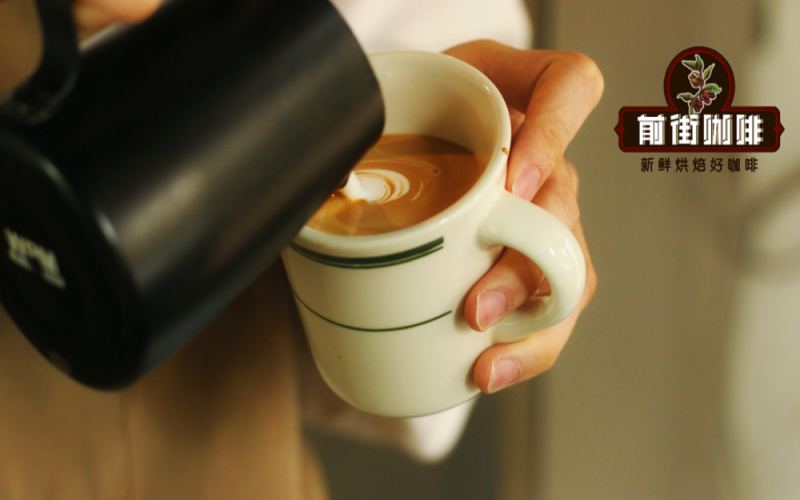
Espresso Coffee Bean Recommendations | How Are Dirty Coffee, Flat White, Piccolo, and Latte Different? Which Coffee Beans Are Suitable for Milk Coffee?
For more specialty coffee knowledge, please follow our WeChat official account: Front Street Coffee. At Front Street Coffee, there are two hidden menus for espresso coffee: one is the Flat White, and the other is [more…]
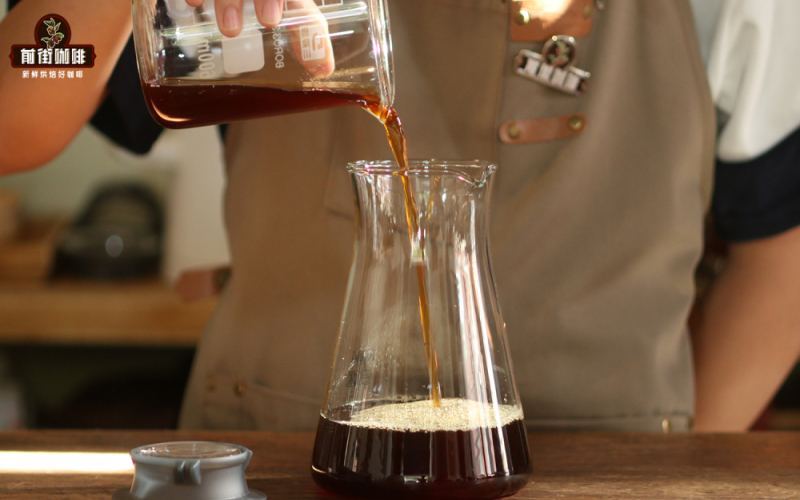
Cold Brew Coffee Bean Selection Guide: A Complete Analysis of Single-Origin Coffee Bean Flavor Pairings and Creative Recipes
In recent years, cold-drip and cold brew coffee made through low-temperature extraction have become increasingly favored by coffee enthusiasts, but which beans to choose, what equipment to use, how long it can be stored, and how to drink it creatively are all questions people care about. Based on Front Street Coffee's practical experience, this article provides a detailed overview of the extraction principles of iced coffee, equipment selection, single-origin bean recommendations suited to different flavors, the impact of chilled fermentation on taste, creative drinking methods such as adding dried flower petals, and safe refrigeration storage limits, helping you make a cup of outstanding iced coffee at home. [more…]